Open until 6pm

5665 Atlanta Hwy #107Alpharetta, GA 30004

Technologies

The equipment that makes visits shorter.

None of this is here to impress — each piece exists to make a specific visit faster, more precise, or more comfortable. Here's what each one actually does.

What changes in the chair

Technology should make the visit easier to understand.

Every tool below has a practical purpose: clearer diagnosis, better treatment planning, fewer unnecessary steps, or a calmer appointment. We use technology when it helps the dentist make a better decision for you.

Clearer diagnosis

Digital X-Ray

Fast digital images that help us see decay, infection, bone levels, and changes that are not visible during a visual exam.

Best for Checkups, diagnosis, emergency visits, and treatment planning.

Digital dental x-rays give the dentist a detailed view of teeth, roots, bone, and older dental work. They can reveal problems such as new cavities, infection, bone loss, or impacted teeth before those problems are obvious from the outside.

We take radiographs only when they are useful for diagnosis or treatment planning. The goal is simple: get the information needed to make the right decision, while keeping exposure as low as reasonably possible.
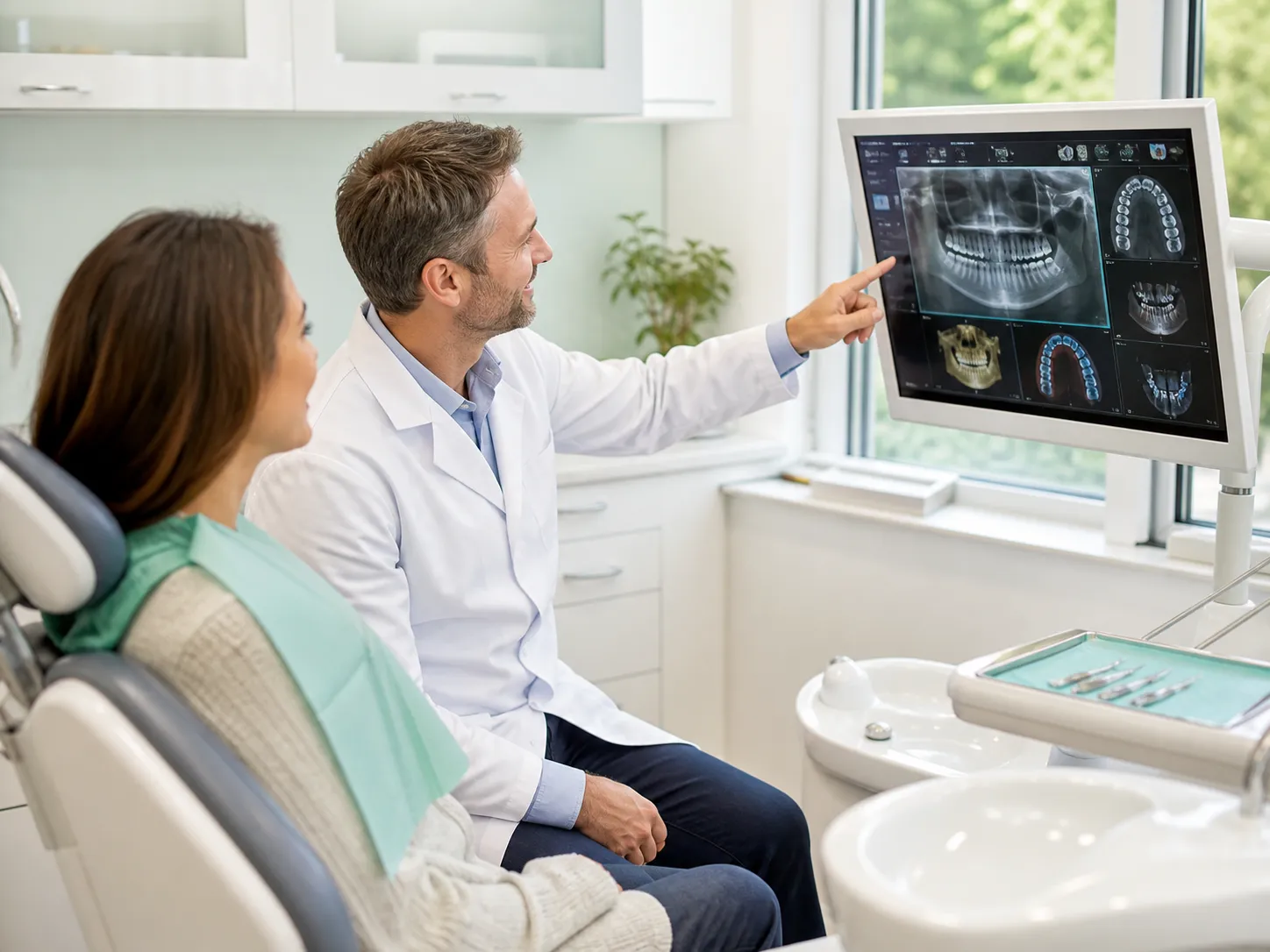
A dentist reviewing digital dental x-rays with a patient on a chairside monitor
See what we see

Intraoral Camera

A small camera that shows cracks, worn fillings, gum concerns, and hard-to-see areas on a chairside screen.

Best for Explaining treatment clearly before anything starts.

An intraoral camera is a slim handheld camera used inside the mouth. It lets us show you the exact tooth or gum area we are discussing, enlarged on a monitor while you are still in the chair.

That makes treatment conversations more transparent. Instead of hearing that a filling is cracked or a tooth edge is breaking down, you can see the concern and understand why we are recommending a next step.

A dental visit with chairside equipment in use
More controlled root canals

Rotary Endodontics

Electric rotary files help clean and shape root canals with smoother, more consistent movement than hand files alone.

Best for Root canal treatment when a tooth can still be saved.

During root canal therapy, the infected or inflamed tissue inside the tooth is removed and the canal is cleaned, shaped, and sealed. Rotary endodontic instruments make that shaping step more controlled and efficient.

For patients, the benefit is usually a smoother appointment. The technology helps the dentist work with precision inside narrow canals, often with less of the scraping sensation associated with older hand-file-only techniques.

A dentist working during root canal treatment
Quieter precision

Electric Handpieces

Motor-driven handpieces provide steady power for preparing teeth with less high-pitched air noise.

Best for Fillings, crowns, and restorative preparation.

Electric handpieces use a motor instead of compressed air to drive the instrument. That steady torque helps the dentist remove decay or shape a tooth preparation predictably.

The experience can feel calmer because the sound is different from a traditional air handpiece, and the consistent power can reduce stop-and-start time during restorative care.

A restored tooth illustration showing restorative dental care
Full-jaw view

Panorex

A panoramic image that captures the teeth, jaw joints, sinuses, and surrounding bone in one broad view.

Best for Wisdom teeth, implants, oral surgery planning, and broad diagnostic checks.

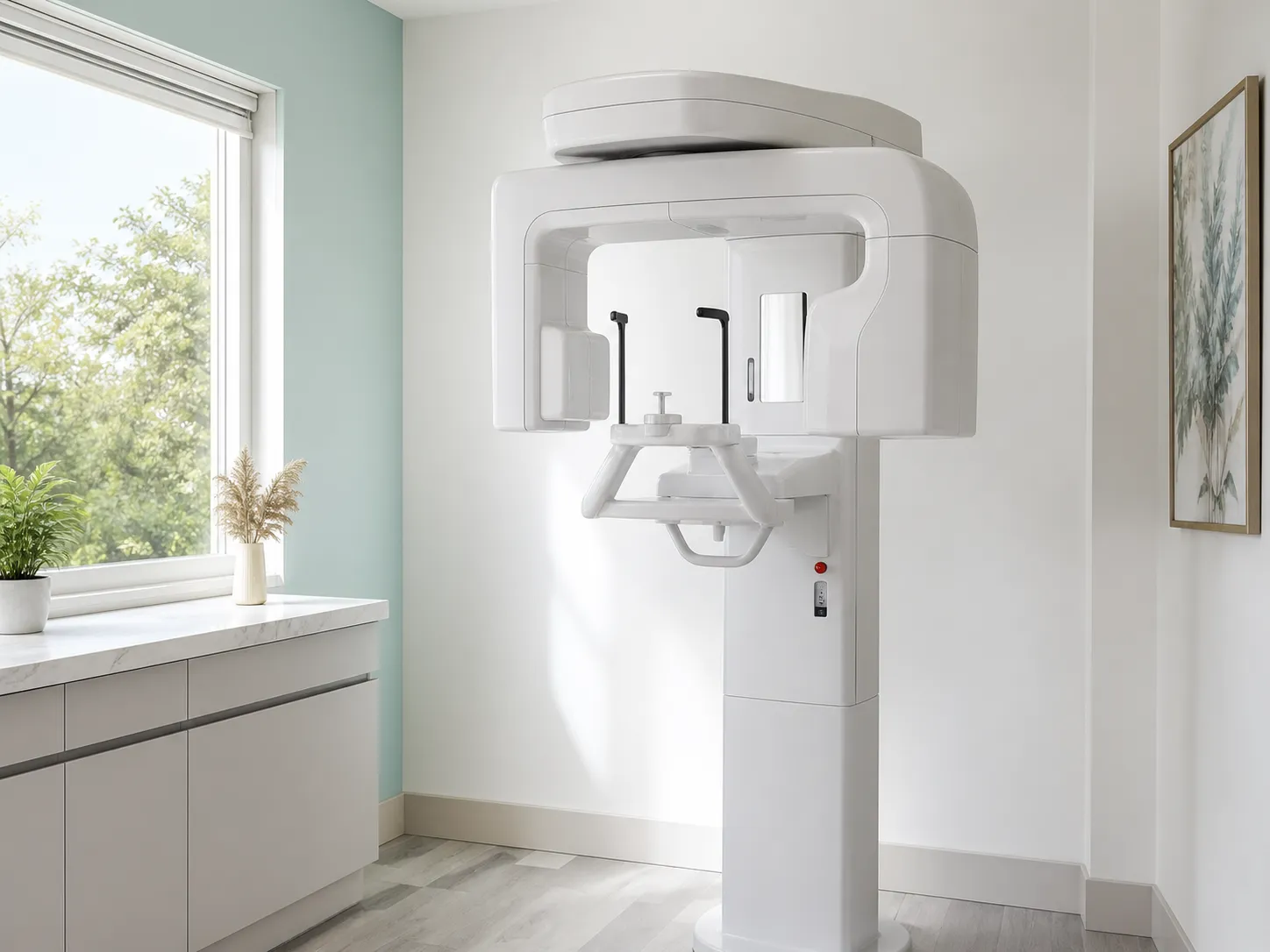
A Panorex machine rotates around the head to create one wide image of the mouth and jaw. It does not replace every detailed dental x-ray, but it gives a helpful overview that smaller images cannot provide.

That broader view is especially useful when evaluating wisdom teeth, planning implants or extractions, reviewing jaw structure, or checking for concerns outside the area of a single tooth.

A bright dental imaging room with a panoramic x-ray machine
Laser and water

Waterlase

A dental laser system that combines laser energy with water spray for selected hard- and soft-tissue procedures.

Best for Certain gum procedures, cavity preparation, and minimally invasive treatment when appropriate.

Waterlase uses laser energy with a fine water spray. In the right case, it can treat tooth structure or gum tissue with less vibration and pressure than a traditional drill or scalpel.

It is not the right tool for every procedure, but it gives the dentist another precise option. For many soft-tissue appointments, patients appreciate the reduced bleeding and more comfortable healing experience.

A dentist using a dental laser handpiece during a calm treatment demonstration
Same-day restorations

Cerec

Digital scanning, design, and in-office milling for many crowns and ceramic restorations in a single visit.

Best for Crowns, inlays, onlays, and selected cosmetic restorations.

Cerec is a chairside CAD/CAM system. After the tooth is prepared, a digital scan is used to design a custom ceramic restoration, which is then milled in the office.

For many patients, that means no temporary crown and no second appointment for the final restoration. The dentist still checks fit, bite, and appearance carefully before the crown or onlay is bonded.

The Cerec milling unit used to produce same-day crowns
Routine screening

Oral Cancer Screening

A careful visual and physical exam for unusual sores, color changes, lumps, or tissue changes in the mouth.

Best for Regular exams, especially for patients with tobacco, alcohol, or prior oral cancer risk.

An oral cancer screening is a focused check of the lips, cheeks, tongue, floor of the mouth, palate, throat area, and neck. The dentist looks and feels for changes that should be monitored or evaluated further.

Most findings are not cancer, but early evaluation matters. If something looks suspicious or does not heal as expected, we can guide the next step, which may include follow-up, referral, or biopsy.

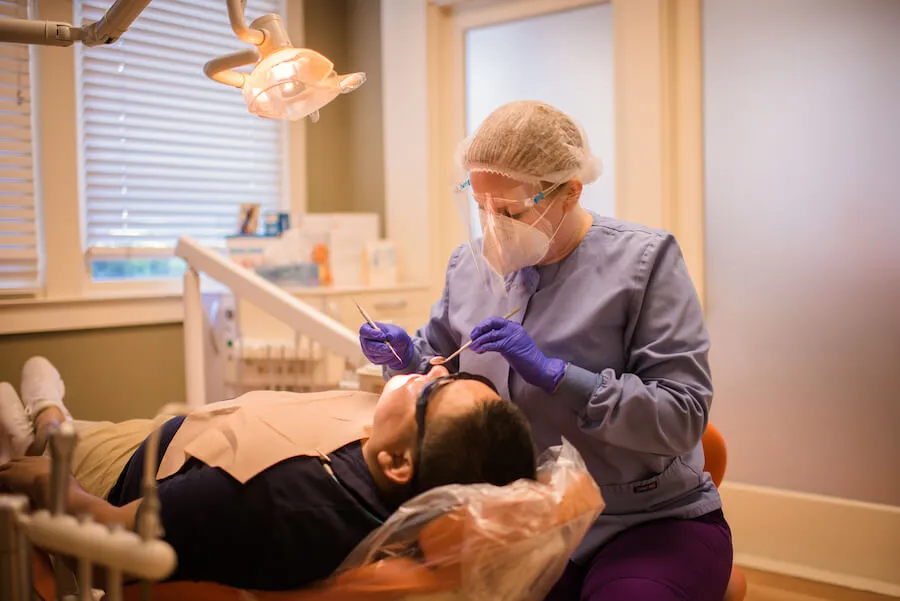
A dentist and patient during an oral health exam
Soft-tissue precision

Laser Dentistry

Laser tools support selected gum and soft-tissue treatments with careful control and less need for traditional cutting.

Best for Gum contouring, soft-tissue care, and selected periodontal procedures.

Dental lasers can be used for a range of soft-tissue procedures, including reshaping gum tissue, treating certain periodontal areas, and improving precision around delicate tissue.

The biggest advantage is control. Laser energy can target a small area while helping seal tissue as it works, which may mean less bleeding and a cleaner recovery for appropriate procedures.

A close view of a dental laser handpiece used during treatment

Curious what's used for your treatment?

Ask during your visit — the team is happy to explain exactly which tools apply to your case.